
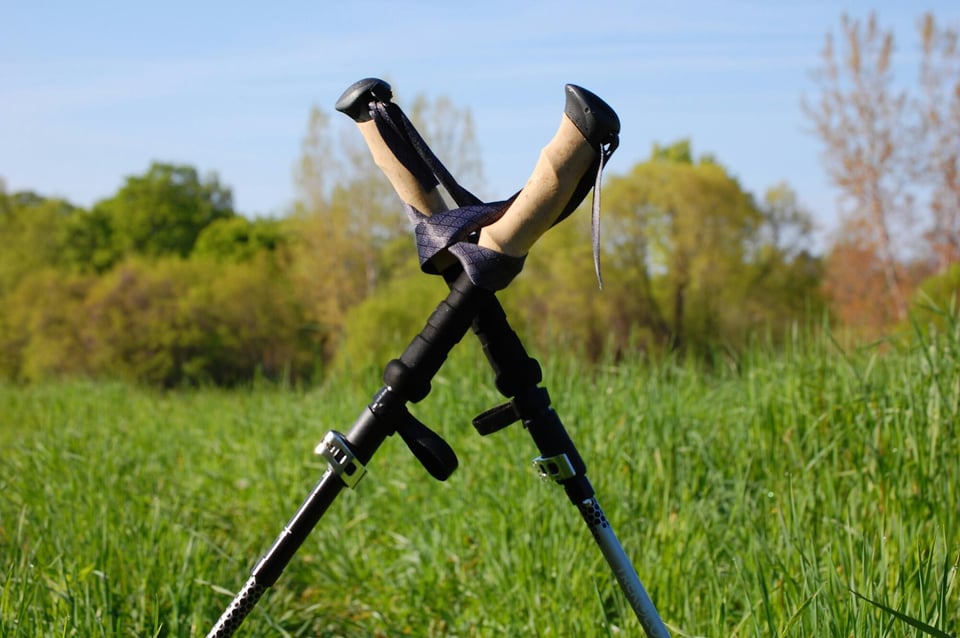
Learning how to use hiking poles properly can improve balance, reduce knee strain, and increase confidence on uneven terrain as you age. When adjusted to the correct height, planted in a natural arm-to-leg rhythm, and used without leaning excessively, hiking poles redistribute impact to the upper body and provide steady support. Used correctly, they serve as practical fall prevention hiking gear rather than a crutch that weakens stability.
Have you ever felt less steady on a familiar trail than you did a few years ago? According to the CDC, one in four adults age 65 and older falls each year. Today, we're taking a closer look at how to use hiking poles effectively, avoid overuse, and make them a smart addition to your outdoor routine.
It's great info for seniors in Lee's Summit, Missouri, a growing suburban community southeast of Kansas City known for its strong neighborhoods, local parks, and historic downtown.
Do Hiking Poles Really Make a Difference?
Hiking poles can make a real difference for aging adults who want to stay active on local trails. They offer steady contact with the ground and reduce the strain placed on knees and hips.
There are three clear benefits that stand out:
- Improved stability on uneven terrain
- Reduced joint strain during long walks
- Increased confidence and posture support
Improved Stability on Uneven Terrain
Uneven gravel, exposed roots, and small slopes can challenge balance over time. Hiking poles create two extra points of contact with the ground.
That added support works as a practical fall prevention hiking gear. Many older adults find that trail walking support tools like poles reduce small stumbles before they turn into falls.
Reduced Joint Strain During Long Walks
Poles shift some effort into the arms and shoulders. That change eases pressure on the knees and lower back. Over several miles, that relief can make a noticeable difference in comfort.
Increased Confidence and Posture Support
Standing upright becomes easier with poles in hand. They encourage a steady rhythm and more natural arm swing. As balance aids for outdoor activity, they help many walkers feel safer and more in control.
Understanding Proper Fit and Setup
Proper fit makes a big difference in comfort and safety. Many problems people blame on hiking poles come from a poor setup. Learning how to use hiking poles starts before you step onto the trail.
There are three key setup factors to pay attention to:
- Correct pole height
- Proper wrist strap use
- Appropriate tip selection
Correct Pole Height
When you stand on flat ground, your elbows should bend at about a 90-degree angle while holding the grips. Your forearms should stay level with the ground.
If the poles are too tall, your shoulders may rise and tighten. If they are too short, you may lean forward. For uphill sections, shorten the poles slightly. For downhill stretches, lengthen them to maintain balance and control.
Proper Wrist Strap Use
Slide your hand up through the strap from below, then grip the handle. The strap should support part of your weight. That reduces hand fatigue and improves control.
Appropriate Tip Selection
Carbide tips grip dirt and gravel well. Rubber tips work better on pavement. Choosing the right option helps trail walking support tools perform as intended.
How To Use Hiking Poles for Natural and Efficient Movement
Using hiking poles should feel steady and natural, not forced. Good technique protects your joints and keeps your walk smooth. Learning how to use hiking poles with the right rhythm makes them helpful balance aids for outdoor activity rather than a distraction.
There are three main technique habits that matter most:
- Alternating arm and leg rhythm
- Proper pole placement and stride control
- Relaxed grip and upright posture
Alternating Arm and Leg Rhythm
Move the opposite arm and leg together. When your right foot steps forward, your left pole plants forward.
That pattern keeps your stride even and supports balance on uneven ground. Avoid swinging both poles at the same time. A steady rhythm reduces fatigue and helps fall prevention hiking gear work as intended.
Proper Pole Placement and Stride Control
Plant each pole slightly behind your front foot. That position helps with forward movement and keeps the weight centered.
Take shorter steps on rocky or uneven terrain. On hills, adjust pole length and keep movements controlled rather than rushed.
Relaxed Grip and Upright Posture
Hold the grips firmly but not tightly. Let the straps carry some pressure.
Keep your shoulders relaxed and your back straight. Good posture improves breathing and makes longer walks feel more manageable.
Frequently Asked Questions
Can Hiking Poles Improve Cardiovascular Endurance?
Hiking poles can raise your heart rate more than walking without them. Your arms and shoulders join the effort, which increases overall energy use.
Some people compare the movement to Nordic walking, which research shows can burn more calories than standard walking. While poles won't replace structured cardio workouts, they can make regular trail walks more physically engaging and support steady conditioning over time.
Are Hiking Poles Helpful for Arthritis in the Hands or Wrists?
People with arthritis often worry about gripping pressure. Ergonomic handles with cork or foam grips can reduce strain.
Padded wrist straps help shift some weight away from the hands. Anti-shock poles may lessen vibration on hard ground. Lightweight gloves can improve comfort and prevent rubbing during longer walks.
How Do Hiking Poles Compare to Trekking Poles?
The terms are often used interchangeably. Trekking poles sometimes refer to models built for longer backcountry trips.
They may be lighter and more compact. Materials vary, with aluminum offering durability and carbon fiber reducing weight. For local trails, either type can work well.
Lees Summit Walking Paths: Safe Hiking for Seniors in Missouri
Learning how to use hiking poles the right way can support balance, ease joint strain, and build confidence on local trails.
At Addington Place of Lee's Summit, we create a warm, welcoming senior living community where residents feel valued and supported each day. From assisted living to compassionate memory care, our team provides personalized help with kindness and respect. Engaging activities, thoughtfully designed apartments, and a close-knit atmosphere set us apart, making our community a home where comfort, connection, and daily joy truly come together.
Get in touch today to find out how we can help with your loved one's care.