
Summary
Navigating senior care after hospital discharge becomes clearer when you understand your options, from returning home to moving to a community with built-in support. The transition works best when planned before leaving the hospital, with a care team identifying medical needs and recovery goals.
- Hospital discharge planning starts before leaving, outlining follow-up appointments, medications, equipment needs, and warning signs to monitor during recovery.
- Three main paths exist: home with visiting health services, skilled nursing for medical recovery, or assisted living for daily support and community.
- Assisted living focuses on meals, housekeeping, daily routines, and companionship rather than clinical medical care.
- Preparing ahead means filling prescriptions, booking follow-ups, removing home hazards, and confirming which services cover what.
- A community handles meals, transportation to appointments, laundry, and enrichment programs, letting your parent focus solely on healing.
The discharge papers are signed, the wheelchair is at the curb, and suddenly the question is what happens tomorrow morning. Sorting out senior care after hospital discharge is easier when you know the options before you need them, from a return to the house to a move where more support is available.
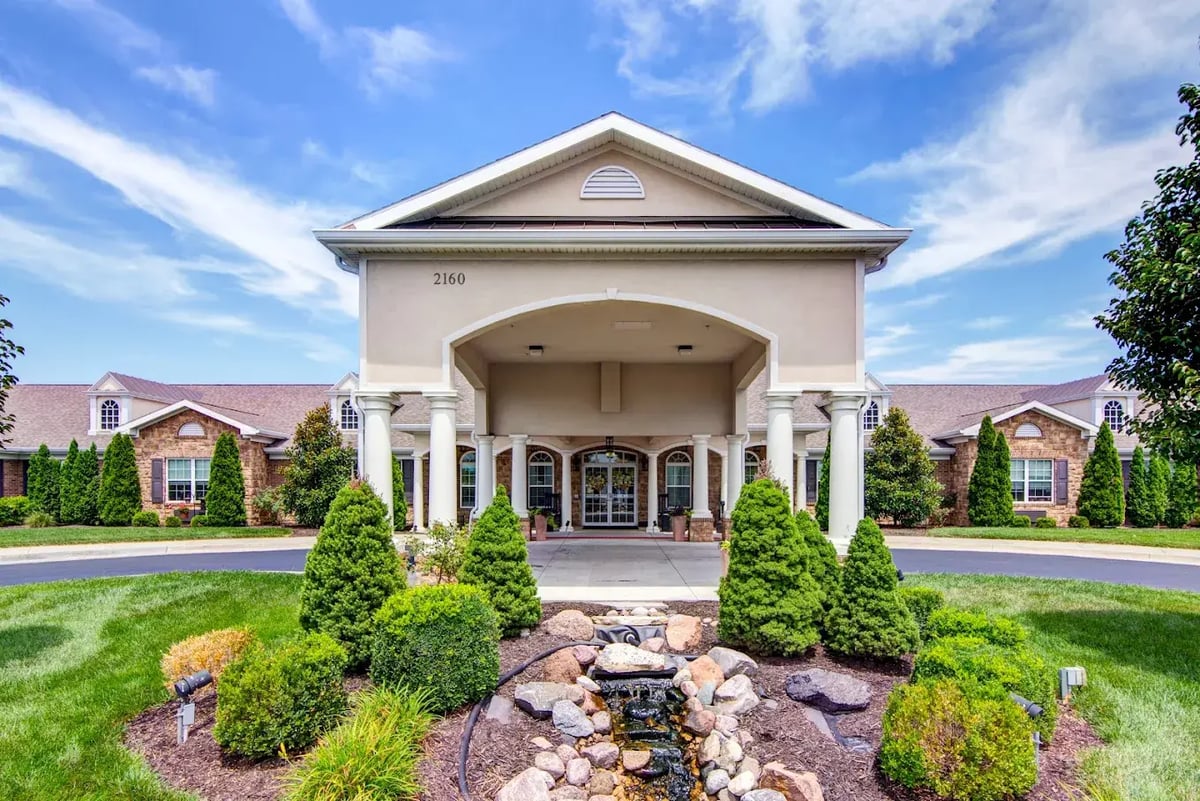
At Addington Place of Lee’s Summit in Lee’s Summit, MO, we help families work through this exact moment. Here is how the process usually unfolds.
How Senior Discharge Planning Works
Senior discharge planning usually starts before your parent leaves the hospital. A social worker or case manager looks at medical needs, mobility, and how much help is needed with everyday tasks like bathing, dressing, and managing medications.
From there, the care team puts together guidance on post-hospital care for seniors, which typically covers:
- Follow-up appointments with physicians and specialists
- Medical equipment and supplies, such as a walker or shower chair
- Warning signs to watch for during recovery
- Medication schedules and instructions
- Movement restrictions and recovery guidelines
The plan depends on current health, recovery goals, and how much support family can realistically give.
Transitional Care After Hospitalization: The Main Paths
Transitional care after hospitalization generally takes one of three forms. Some people return to their own house with home health visits for nursing or therapy. Others need a skilled nursing or rehabilitation stay, which is a medical setting with licensed nurses on site around the clock. And some move into assisted living, where the focus is daily support rather than medical treatment.
That last distinction confuses many families, so it is worth saying plainly: assisted living is not a nursing home. Assisted living provides help with daily routines, meals, housekeeping, and a built-in community, with staff available day and night. The right fit depends on whether the main need is medical recovery or steady, ongoing support.
Where Do Seniors Go After a Hospital Stay?
Where do seniors go after a hospital stay when going back to the house is not safe? If your parent needs more help than family members can provide, or if the house itself presents risks like stairs or a tub that is hard to get into, a hospital to assisted living transition is often the practical answer.
Assisted Living at Addington Place of Lee’s Summit gives residents help when they need it while leaving their routines and choices in their own hands. For a parent living with Alzheimer’s disease or another dementia, GLOW® Memory Care adds structure and a secure neighborhood built around each resident’s life story.
Preparing for the First Weeks
A little preparation smooths the first weeks, no matter where your parent recovers. Before discharge day:
- Fill prescriptions and make sure someone understands the medication schedule
- Book follow-up appointments with physicians and therapists
- Remove tripping hazards, improve lighting, and add grab bars if staying at the house
- Confirm home health visits and what each service covers
- Set up a simple communication plan, so family members know who is checking in
A few prepared meals and a list of emergency contacts on the refrigerator help, too.
How an Assisted Living Community Supports Recovery
The practical advantage of a community during recovery is that the household disappears from the to-do list. At Addington Place of Lee’s Summit, that looks like:
- Homestyle meals with restaurant-style table service, so nutrition is handled
- Weekly housekeeping and laundry
- Complimentary scheduled transportation to doctor appointments, including Saint Luke’s East Hospital nearby
- Daily life enrichment programs like morning movement, art workshops, and garden strolls
Staff help with daily routines and keep families informed. Many people simply do better when their only job is getting stronger.
Can my parent move in directly from the hospital?
Often, yes. Call the community early in the discharge process so a needs assessment can be completed before the discharge date.
What if my parent needs more help later?
Addington Place of Lee’s Summit offers both Assisted Living and GLOW® Memory Care, so support can grow without another move across town.
Choosing the Right Path
Start the conversation early, tour in person, and ask how a community coordinates with outside physicians and home health providers. Some people head back to the house after a few weeks of extra help, while others find that assisted living gives them a steadier, less lonely daily life. To see what that looks like here, schedule a personalized tour of Addington Place of Lee’s Summit and meet the people who would be helping.